Quick-hire jobs
Working at Burger King: tasks and schedules
Find out what Burger King jobs in India involve. Learn about shift schedules, daily responsibilities, and actionable steps for efficient teamwork. Sharpen your customer service with real examples.
Advertisement
If you’ve ever considered what goes into Burger King jobs, you’ll find every day brings a blend of teamwork, customer connections, and personal growth.
Understanding these roles is vital, especially for job seekers eager to know what is expected behind the counter or in the kitchen. Knowing the details can guide smarter career choices.
Keep reading to uncover practical information about Burger King jobs, from specific daily tasks to real shift schedules, so you can approach your day with clarity and confidence.
Explore Key Responsibilities for Crew Members on the Job
Crew members play crucial roles, ensuring smooth restaurant operations and making customers smile. Expect clear steps, like greeting guests and prepping food, making every shift feel purposeful and actionable.
Learning what to expect in Burger King jobs means you can arrive prepared—whether you’re restocking sauces, cleaning tables, or ringing up orders with accuracy and professionalism.
Following Instructional Guidelines Within the Store
Upon starting Burger King jobs, managers teach new staff common scripts. For example, “Welcome to Burger King! May I take your order?” forms the backbone of positive first impressions.
Employees learn gestures, such as maintaining eye contact and using open hand signals when presenting food. It turns basic routines into memorable customer service moments.
Guidelines focus on clarity and consistency. You’ll be shown proper ways to call out ready meals, handle feedback, and keep the service area spotless after every order.
Balancing Kitchen Duties and Front-Counter Service
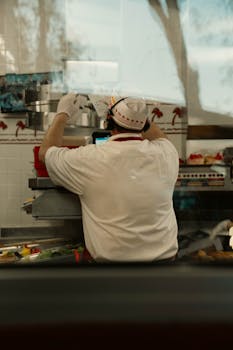
Kitchen work at Burger King jobs involves grilling, assembling sandwiches, and monitoring fry timers. Each step comes with instructions posted above the prep station for quick reference.
Crew rotate between preparing Whoppers and bagging meals to help front lines during rush hours. Movement between stations is coordinated by the shift lead to prevent delays.
You’ll hear things like “Three cheeseburgers down!” as teammates communicate. An efficient handoff system keeps orders moving, ensuring accuracy and a steady pace for the entire shift.
| Task | Where It Happens | Time of Shift | Practical Next Step |
|---|---|---|---|
| Taking Orders | Counter/Drive-Thru | Opening–Close | Smile and repeat the order; check for clarity |
| Preparing Burgers | Kitchen Grill | Mid-Morning/Lunch | Follow menu assembly cards posted above station |
| Refilling Condiments | Dining Area | Between Rushes | Wipe down surfaces; replace packets before they run low |
| Cleaning Tables | Dining Room | Throughout Shift | Use fresh cloth and sanitizer spray on each visit |
| Bagging Orders | Counter | Lunch/Evening | Count items aloud before sealing bag |
Shift Structure: Knowing When and How Work Starts
Burger King jobs use a rotating shift system, so schedules fit various lifestyles and obligations. Clear protocols point out how to check in, adapt timing, and optimize productivity.
Before each week, employees receive print or digital rosters. This structure ensures coverage across breakfast, lunch, and dinner hours—important for keeping service consistent and prompt.
Communication Basics During Shift Changes
During every shift hand-off, the incoming and outgoing staff update each other on low stock, equipment issues, or customer concerns. This keeps everyone aligned on what’s needed next.
Common scenarios involve brief verbal reports: “The fry station needs salt, register two froze once.” It’s direct, efficient communication—designed to avoid mistakes and confusion.
- Arrive early: Speak to supervisor, confirm your schedule, and see which tasks need your immediate attention for smoother hand-offs and less waiting.
- Read the shift log: On arrival, skim notes left by the prior crew to pick up pending work, which helps avoid overlap and missed duties right away.
- List issues: If you encounter equipment problems, quickly note them and tell supervisors to reduce delays and keep everyone informed.
- Confirm inventories: Count supplies and restock before opening, so lunch rushes don’t catch you off-guard. Execute this step to maintain flow.
- Sign off: End your shift by logging completed tasks, ensuring the next team’s transition is seamless and tracked.
Mastering these steps helps every crew member in Burger King jobs own their part of a productive team environment.
Step-By-Step: Pre-Shift and Close Procedures
Pre-shift duties in Burger King jobs start with handwashing and clock-in. Each crew reviews their assignment sheet, making sure vital stations are ready for orders right away.
At closing, workers tackle specific tasks: restocking napkins, deep-cleaning fryers, and securing cash drawers. This division of labor means tasks aren’t missed as the night winds down.
- Start at sinks: Sanitize hands before touching any equipment for hygiene compliance and food safety consistency.
- Inspect prep area: Ensure surfaces are clean and ingredient containers are filled. Quick checks avoid disruptions during the rush.
- Update the whiteboard: Write down out-of-stock items before peak hours, so everyone knows to adjust workflow or suggest alternatives to customers.
- Allocate tasks: Managers assign cleaning, prep, and counter stations. This builds a sense of personal investment in each area.
- Clock out properly: Check your assignment sheet, hand over keys or aprons if needed, and sign the daily roster to end your shift fully aligned with process rules.
Applying this checklist keeps Burger King jobs efficient, from open to close, so staff maximize results and feel prepared each day.
Task Specialisation: Matching Interests to Roles in Store
At Burger King jobs, staff are encouraged to develop expertise in at least one station—front counter, kitchen, or lobby—to sharpen skills and improve workflow every shift.
Learning the Register: Scripted Interactions and Cash Handling
Cashier training covers phrasing like “Would you like to upsize your meal today?” along with keeping calm under pressure—especially during noon rushes when queues grow quickly.
Clear instructions guide the use of the register: tap menu buttons in sequence, recount change for accuracy, and print the receipt before thanking the customer by name.
Practicing these habits at Burger King jobs helps new hires build confidence, reduce mistakes, and personalize service for every guest—no matter how busy the store gets.
Kitchen Operations: Assembly Line Speed and Food Quality
Grill staff follow standardized checklists when cooking patties: watch timer lights, assemble burgers in the right order, and visually check toppings so taste remains consistent.
A good assembler at Burger King jobs pairs coordination with attention to detail. They swiftly wrap sandwiches and bag fries while making sure packaging matches each customer’s order ticket.
Team leaders give precise feedback, like “Greens on top of cheese, not under,” which trains staff to maintain high standards and quick output—cornerstones for operational success.
Bringing It All Together: Succeeding Day-to-Day
Burger King jobs supply structure, support, and real skills, letting workers tackle each day with more clarity, whether behind the grill or serving with a smile at the counter.
Knowing the specifics of daily tasks and schedule routines lets employees manage shifts and bounce back from busy periods, which can turn a new job into a long-term opportunity.
A commitment to repeatable steps and open communication makes Burger King jobs a smart starting point, giving you a strong foundation for any food service role in India.



You may also like
Temporary grocery store jobs: realistic expectations and proven strategies
Understand how temporary grocery store jobs work, what daily tasks look like, how long contracts usually last, and practical ways to secure a position.
Keep Reading