Quick-hire jobs
Working in fast food: daily routines explained
Discover daily routines, teamwork, and actionable scripts in fast food jobs. See what it's like inside a SA fast food outlet and learn skills to carry into future roles.
Advertisement
Clocking in at a quick-service restaurant brings a rhythm familiar to anyone in fast food jobs, blending teamwork with the energy of serving hungry customers each shift.
People take on these roles because fast food jobs shape skills like time management, customer interaction, and multitasking, all within a dynamic, high-paced environment that’s different daily on the frontlines.
Keep reading to learn exactly what happens during a typical day in fast food jobs, including detailed breakdowns of tasks, checklists, and practical scripts you can use immediately.
Morning checklist: Jumpstarting fast food jobs shifts with precision
Starting a fast food job early means arriving before the breakfast rush, scanning the store for any overnight messes, and reviewing the opening checklist taped behind the counter.
Team members tick off tasks such as powering up fryers, re-stocking sauces, and greeting each other with quiet “Howzit” before those first orders pop up on the monitors.
Prepping the stations guarantees smooth work
The sandwich builder wipes counters, stacks cheese slices, and checks every ingredient’s expiry date aloud. Anything past its shelf life gets binned without debate.
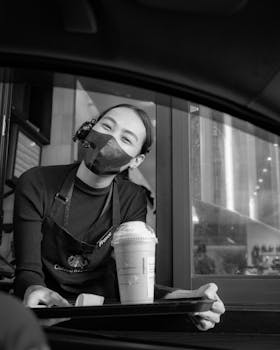
Cashiers check tills in pairs, whispering totals and confirming floats. They nod at the drive-thru screen, double-checking that it displays the morning deals for fast food jobs across different franchises.
The grill person sharpens spatulas and explores freezer drawers, calling out when bacon is low so kitchen runners refill fast, reducing later delays.
Opening scripts set professional standards
Every new starter in fast food jobs gets a card with morning greetings: “Good morning, welcome! Can I help you start your day?” delivered with steady eye contact.
If the coffee machine splutters or a cupboard sticks, staff quietly flag issues on the daily log, then radio the shift leader to take action right away.
Team leads run a huddle, arms crossed or hands on hips, reminding everyone: “Stay friendly, move quick, and keep those badges on straight.”
| Opening Task | Who Handles It | Time Estimate | What To Do Next |
|---|---|---|---|
| Food Safety Checks | All kitchen staff | 15 minutes | Restock clean supplies immediately if short |
| Register Float Count | Senior cashier | 10 minutes | Report discrepancies to shift leader fast |
| Drive-Thru Screen Test | Drive-thru team | 5 minutes | Fix any ad errors before opening |
| Fryer Warm-Up | Cook on duty | 10 minutes | Start with fresh oil for best taste |
| First Customer Greeting | Front counter staff | As needed | Log greeting delivery in handover book |
Customer service rules shape fast food jobs culture
Fast food jobs reward specific behaviours on a busy shift. Employees strive for friendly eye contact, energetic posture, and clear, direct speech at all touchpoints.
Greeting scripts, uniform checks, and support hand gestures give fast food jobs a unique team feel, especially during peak lunchtime lines and drive-thru queues.
Scripts for staying polite in a rush
Staff memorise phrases like: “Thanks for waiting,” while maintaining an enthusiastic but calm tone, regardless of queue length or background chatter.
Managers prompt new hires to try hand signals, like a thumbs-up after a register error fix or two fingers tapping the counter when food runners are needed quickly.
- Greet with “Welcome, can I take your order?” to project confidence and create structure during back-to-back customer switches at lunchtime.
- Repeat orders respectfully—“So, one cheeseburger meal, one iced tea, correct?”—which builds accuracy and trust, especially when there’s a pause in communication.
- Apologise for delays: “Sorry for your wait, we’re moving as fast as we can,” signals empathy. Smile and keep your posture open, even when stressed.
- Confirm payment clearly: “That’s R49. Thank you, here’s your change,” ensures no confusion at the till, and prevents disputes over cash exchanges between shifts.
- Hand over food with a direct “Enjoy your meal, have a great day.” This closes the transaction, cueing the next person forward with a warm experience.
By blending clear scripts with expressive body language, fast food jobs help even the newest recruits manage tough shifts with confidence from their very first day.
Uniform and appearance standards aren’t just cosmetic
Supervisors walk the floor every hour to check that shoelaces are tied, shirts are tucked, and hats sit above the eyebrows – a visible, shared safety rule.
“Sort your fringe and secure your name tag,” a manager might say, reminding everyone to model a tidy, professional appearance, especially if head office drops by.
- Wear a clean uniform with visible name tag: builds accountability and lets managers praise team members by name. Helps customers feel comfortable.
- Shoes must be non-slip and polished, preventing workplace falls or kitchen spills from causing harm to anyone during hectic periods.
- Hair tied back, hats fitted well: this universal safety rule keeps food safe and faces clear, which increases customer trust.
- Personal phones off the serving counter and out of sight: staff stay focused, minimise accidents, and protect company privacy at all times.
- No chewing gum on the job: keeps speech clear, uniforms clean, and gives customers a consistent, polished impression of the brand at the counter.
By sticking to appearance routines and communication scripts, fast food jobs elevate everyday teamwork and keep each store sharp for the next customer wave.
Order assembly lineups keep things moving fast
Working on the “make line” in fast food jobs means moving in sync with colleagues, each person owning a single repeatable task at their workstation for speed and accuracy.
Once the order appears on the kitchen screen, each operator focuses on their part, sliding patties, buns, or drinks down the assembly line to the next station without hesitating.
Staggered workflow prevents kitchen chaos
Shift leads call out incoming rushes, and line staff switch positions mid-shift as needed, avoiding bottlenecks that could slow down every customer’s meal.
One real-world routine: “I’ll take sauces, you swap to buns,” says a team member, with a nod, sidestepping to rebalance the workload so the order flow never breaks.
This loose choreography keeps errors low, helps trainees learn quickly, and rewards the team with praise—public high-fives and small celebratory fist bumps after peak periods pass.
Logistics: Storing, grabbing, and rotating stock
Fast food jobs demand constant attention to storage, from rotating wraps at the front of the fridge to labelling late-night deliveries as they arrive before the next shift.
Food runners double-check that bags and sauces are topped up. At midday, the line stops for two minutes as senior staff swap in new cartons from the storeroom.
“Keep the tomato sauce here, napkins left,” staff say aloud, so everyone reorients and keeps moving quickly as the lunch wave crests and dips by the quarter-hour.
Break times foster teamwork and boost morale daily
Breaks during fast food jobs feel brief but meaningful, giving everyone a chance to hydrate, unwind, and regroup for the next rush in the canteen or outdoor area.
Staff trade stories or share snacks, checking their phones for messages only during official break slots—quick laughter or weekend plans shared quietly before returning to work.
Short break, quick reset: the power of a five-minute pause
Employees use these moments to loosen shoulders, stretch wrists, and down water before stepping back onto the line—ensuring physical and mental readiness for busier hours ahead.
“You alright?” a teammate might ask. Head nods or a fast “Lekker, thanks” help check everyone’s mood, so problems get flagged quickly to managers when something’s off.
Even small gestures—passing a salt sachet or swopping seats—build camaraderie, forming strong, reliable teams that carry customers through the lunchtime wave smoothly every day.
Staggered breaks keep service flowing without gaps
Managers schedule breaks so there’s always coverage at registers and grills—even during back-to-back orders, one or two team members slip out to rest, then swap back in smartly.
“I’ll cover the next five,” a line cook says, letting a teammate sneak away guilt-free for a snack. No single person handles too much at once, reducing stress overall.
By sharing break duties and supporting colleagues, fast food jobs foster respect, flexibility, and genuine kindness on even the longest, toughest shifts you’ll face in store.
Cleaning shifts set high standards for hygiene and safety
Cleaning duties in fast food jobs involve written checklists and paired routines, ensuring hand-wash sinks, floors, and dining areas sparkle before each new set of customers arrives.
Every spill is tackled straight away—no shortcuts allowed—so staff and diners alike get a safe, pleasant space at all hours, even right after the dinner rush boils over.
Team routines for a spotless store
“Mop and bucket to section B,” the shift runner says as the floor gets sticky; a second team member follows, wiping window sills and bin lids simultaneously to maximise efficiency.
End-of-day checklists force every corner into the spotlight: staff tick “wipe till screen,” “clean fryer baskets,” and “empty rubbish” in writing so nothing slips through the cracks.
If a task isn’t done, the next shift leader spots it and fixes it on the spot, reinforcing accountability and supporting everyone’s pride in their shared workspace.
- Sanitise food prep tools regularly during the day; prevents bacteria spread and keeps all meals safe for customers who order in or takeaway.
- Wipe down tables, chairs, and trays before lunch and dinner; builds a clean, welcoming impression and gives staff a sense of accomplishment.
- Empty bins promptly; avoids odours, prevents pests, and keeps front-of-house areas pleasant for guests who stay a bit longer with their meal.
- Use gloves for all cleaning jobs; reduces chemical exposure and cross-contamination between different food handling zones.
- Sweep and mop floors at the start, midday, and before close; prevents slips, maintains workplace safety, and means no customer slips on spilled cola or ketchup.
Problem solving and handling tough customers in fast food jobs
Dealing with tough situations comes with every fast food job—managing complaints, fixing register issues, or stepping in when a teammate feels overwhelmed by a sudden queue surge.
Staff use set phrases for complaints: “Let me check that for you,” and call on supervisors to do refunds or discounts quickly so each problem gets solved while the line keeps moving.
De-escalating heated interactions: body language and scripts
Facing upset customers, staff stand straight, arms at sides, and maintain calm voices—never folding arms or raising their tone above a steady level, which shows control.
If someone pushes for a manager, the protocol script is: “I’ll call my supervisor right now.” No negotiation, just action and efficient problem-solving, keeping emotions in check throughout.
Apologies are simple and honest: “Sorry about your wait. We’re sorting it.” A briefer, direct reply signals respect and solutions without inflaming tempers or sounding defensive.
Helping teammates with sudden rushes or mistakes
If a new hire forgets a meal step, a senior leans over with, “Let’s check the screen together”—offering hands-on, real-time coaching rather than public criticism.
During high-pressure moments, colleagues call out “I’ve got this one,” taking over tough spots or running extra trays while someone catches their breath past the fryers.
By reinforcing a “we’re all in it together” attitude, fast food jobs grow trust and resilience, so daily hurdles become manageable and teams feel proud of shared wins.
Closing duties: wrapping up the day and prepping for tomorrow
Fast food jobs finish with a last rush of cleaning, prepping next-day stock, and tallying end-of-shift logs, ensuring everything is in top shape for early staff to start fresh.
Team members empty leftover food, wipe down grills, and update temperature logs, checking every fridge, cupboard, and register float before handing over to late-night colleagues.
Lock up, tally up: routines for ending strong
Shift leaders divide closing tasks, so everyone chips in—one counts tills, another double-checks the back door is locked, while another restocks napkins and sauces for breakfast.
Staff finish by entering notes in the handover book: “Sink needs new plug,” or “Fryer clean, all tidy.” That way, issues don’t get missed or duplicated tomorrow morning.
Closing teams swap a quick “Thanks, see you next time,” before clocking out, satisfied the branch is spotless and ready for another round of guests and fast food jobs on the next shift.
Daily routines in fast food jobs: building skills for life
Each section of a shift—opening, service, breaks, cleaning, and closing—culminates in a rhythm that transforms fast food jobs into a training ground for daily efficiency and teamwork.
Practicing practical scripts, supporting one another, and owning responsibilities on the job deliver achievements you carry into other industries or life situations later on.
Approaching routine tasks with intention and care ensures fast food jobs aren’t just about paycheques—each shift offers small victories and lessons, turning hard work into genuine progress.
Trending Topics

Jobs with short application processes: your guide to easy application jobs
Learn which jobs have short application processes, what employers usually review, and how to prepare so you can apply quickly with fewer steps.
Keep Reading