Trabajos de contratación rápida
Trabajos en restaurantes en cocinas y comedores: roles, rutinas y pasos reales
Obtén consejos prácticos para trabajos en cocinas y comedores de restaurantes. Descubre guiones concretos, listas de verificación, ejemplos y rutinas esenciales para aumentar tu confianza y habilidades en cualquier turno.
Anuncios
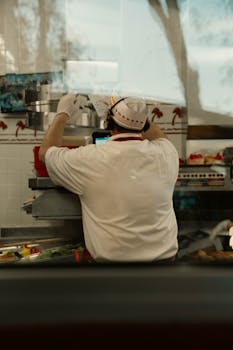
Todo el mundo ha visto el ajetreo de un restaurante lleno de gente, pero pocos entienden cómo funcionan realmente los trabajos en los restaurantes detrás de las puertas de la cocina y en los comedores donde las comidas cobran vida.
Comprender la realidad de los trabajos en restaurantes revela cómo es el trabajo en equipo constante desde la estación de preparación hasta la recepción, transformando ideas casuales sobre el servicio de alimentos en detalles del mundo real.
Esta guía lo lleva al mundo de los trabajos en restaurantes y describe movimientos, tareas y etiquetas específicas para ayudarlo a sobresalir en puestos de cocina o comedor todos los días.
Encontrar tu primer puesto en un restaurante requiere acción, no conjeturas
Para empezar a trabajar en un restaurante hay que empezar por entender dónde se situaría uno en un turno: desde cocinas llenas de actividad hasta servicios de desayuno tranquilos por la mañana, cada elección supone un esfuerzo real.
Comience por revisar los horarios diarios, las reuniones informativas del personal y las expectativas en su posible lugar de trabajo. Espere tareas físicas claras, el protocolo necesario y guiones sencillos que usará con invitados o compañeros de trabajo.
Puestos de cocina de nivel inicial y qué preguntar
Pregúntele al chef: "¿Qué tareas son las más importantes para los nuevos empleados antes de la hora del almuerzo?". Preste atención a las señales sobre seguridad alimentaria, velocidad y precisión en los pedidos cuando observe a su compañero en su primer día.
En los roles de preparación en la cocina, familiarícese con frases como "¿Listo para reabastecer esta estación?" y gestos de cuerpo completo, como sostener utensilios limpios o señalar con respeto los suministros bajos.
Todo trabajo en la cocina de un restaurante gira en torno a aprender los conceptos básicos del uso de cuchillos, almacenar los ingredientes correctamente y seguir una lista de verificación bajo presión: lavarse las manos, preparar la comida, limpiar las superficies y repetir antes del servicio.
Los puestos de servicio y el poder de la bienvenida
Los camareros suelen presentarse con una sonrisa constante y un claro: “Buenas noches, ¿desea agua filtrada con su comida?”, creando un ambiente tranquilo y atento desde el principio.
Los buenos trabajos en restaurantes para recién llegados enfatizan el contacto visual, repetir el pedido de la mesa palabra por palabra y usar un lenguaje corporal abierto para que los comensales se sientan cómodos al pedir ayuda en cualquier momento.
Párese con los hombros rectos, no encorvados; repita: “Gracias por su paciencia” si los invitados esperan más de lo habitual, convirtiendo la tensión en confianza y mejorando la experiencia gastronómica.
| Posición | Funciones clave | El mejor guión para principiantes | Acción para llevar |
|---|---|---|---|
| Cocinero de línea | Preparación de alimentos, seguimiento de recetas, limpieza de estaciones. | "¿Qué ingredientes necesitamos reponer hoy?" | Verifique los suministros y pregunte al chef cuáles son las prioridades al inicio. |
| Lavavajillas | Limpiar, lavar y organizar los utensilios de cocina. | “¿Dónde se acumulan más rápido los platos limpios?” | Organice una rutina de enjuague antes de las horas pico |
| Servidor | Toma de pedidos, entrega de comida, interacción con los huéspedes. | "¿Necesitas ayuda con las opciones del menú?" | Aprenda los números de las mesas y el diseño de las secciones con anticipación |
| Barman | Mezclar bebidas, servir, manipular pestañas | “¿Puedo recomendarte nuestra especialidad?” | Memorice las ofertas de bebidas y los pasos para servirlas de forma segura. |
| Anfitrión | Saludar, acomodar a los invitados y gestionar reservas. | “Tenemos una mesa para su grupo aquí mismo”. | Mantenga la lista de espera ordenada y actualícela periódicamente |
Desarrollar habilidades básicas le permitirá alcanzar el éxito de inmediato
Los trabajos de restaurante recompensan a quienes aprenden rápido y que detectan habilidades clave: movimiento eficiente, memoria y guiones educados para suavizar demoras o confusiones, desde el primer día.
Crea una mini rutina para la llegada: registra tu entrada, lee las notas publicadas, revisa tu uniforme y repasa una lista de verificación de dos minutos para preparar tu estación y tu mente para los invitados.
Preparación física para turnos activos
Caliente sus manos y piernas antes de los turnos estirándose ligeramente; esto evitará fatiga más adelante si está llevando bandejas, manejando platos o cortando verduras hora tras hora.
Controle su ritmo durante las comidas consecutivas respirando profundamente cada tres mesas servidas. Manténgase hidratado y programe un recordatorio para reponer agua en cada descanso para mantener la energía.
- Conozca los patrones de flujo de su espacio de trabajo; observe los cuellos de botella para poder evitarlos la próxima vez y evitar chocar con sus compañeros de trabajo durante las horas pico.
- Realice un seguimiento de las secciones que necesitan ayuda; pregunte: "¿Necesita un segundo par de manos aquí?" si ve que un compañero de equipo se está quedando atrás en la limpieza o en las configuraciones.
- Haga un doble nudo en sus zapatos antes de entrar en pisos de cocina mojados; las superficies resbaladizas causan la mayoría de los accidentes y la prevención es parte de los protocolos de los trabajos profesionales en restaurantes.
- Revise el equipo en cada turno para detectar cables desgastados, manijas sueltas o herramientas faltantes. Reporte los problemas con una sola línea: "Esto no es seguro, ¿podemos repararlo o reemplazarlo hoy?"
- Reabastecer servilletas, condimentos y desinfectante sin que se lo pidan; cubrir lo básico mantiene las cosas en movimiento y demuestra a los gerentes que le importa el ritmo del equipo.
Los controles diarios rápidos con los compañeros de trabajo (como asentir con la cabeza, hacer una conversación liviana o ponerse al día entre sí) generan un impulso amistoso que aumentará el ritmo del equipo durante las horas de servicio más ocupadas.
Comunicación para el Servicio y la Coordinación
Dirígete a tus compañeros de trabajo por su nombre al pasarles artículos: "Esto es para ti, Priya". Esto agiliza las tareas y demuestra que valoras el trabajo único de cada persona en entornos de trabajo en restaurantes.
Si no está seguro, formule las preguntas directamente: "¿Deberían servirse estas ensaladas ya?". Hable más alto en cocinas ruidosas, pero module el tono en comedores tranquilos para mantener un ambiente agradable para los invitados.
- Utilice un registro de turno por escrito al entregar el puesto para informar actualizaciones importantes como "lavavajillas abajo, solo lavado a mano". Este hábito evita confusiones, mantiene registros y tranquiliza a los recién llegados.
- Anima a tus compañeros de equipo con dificultades, diciéndoles: "Prueba este agarre para cargar" u ofreciéndoles a ayudar a los compañeros con las mesas difíciles. Esto les levanta la moral y les enseña principios básicos de liderazgo desde pequeños.
- Tenga en cuenta las alertas de alergia marcando los pedidos con cinta o tiza, demostrando a los invitados que respeta sus necesidades y evitando errores costosos al realizar varias tareas a la vez durante la hora pico del almuerzo.
- Establezca un ciclo de retroalimentación con los capacitadores repitiendo los pasos: "¿Quieres desinfectante aquí y cubiertos allá? ¡Listo!". La retroalimentación inmediata garantiza que comprendas las instrucciones con precisión.
- Utilice gestos y contacto visual cuando las señales verbales no sean suficientes, como agitar una bandeja para llamar la atención del camarero o recordar a todos que deben estar atentos a las necesidades cambiantes.
Una comunicación refinada en los trabajos de restauración puede significar menos confusiones, recuperaciones más rápidas de errores y una jornada laboral que deja al equipo y a los comensales satisfechos al momento del cierre.
Adaptarse a escenarios de ritmo rápido en la cocina y el comedor revela su preparación en cada turno
Las sorpresas diarias (desde una entrega fallida hasta una reserva para una fiesta de cumpleaños) ponen a prueba tu flexibilidad para responder en trabajos de restaurante, lo que hace que la adaptabilidad sea una característica verdaderamente valorada entre los profesionales experimentados.
Si un horno falla durante el almuerzo, seguirás la señal del gerente de cocina para cambiar a recetas preparadas en la estufa, cambiar los lugares de preparación y alertar al frente de la casa para que los invitados no tengan que esperar o estar confundidos.
Orden de la zona de preparación: Ejemplo paso a paso
Llega 10 minutos antes y pregunta: "¿Qué hay que preparar antes de servir?". Clasifica los ingredientes, limpia las superficies de corte y prepara las guarniciones básicas para la primera ronda de tareas del restaurante.
Cuando hay mucha gente, mantenga un mantra: cortar, limpiar, apilar, repetir, y mantenga los pedidos visibles colocando los recibos a la altura de los ojos; este hábito concreto evita pasos en falso en medio del calor y las multitudes.
Termine revisando dos veces los refrigeradores y descartando los productos perecederos no utilizados, indicando "Todo etiquetado y fechado, listo para el próximo equipo", lo que generará confianza y permitirá transiciones más fluidas entre turnos.
Recuperación inteligente del servicio durante horas punta
Supongamos que el plato principal de una mesa se retrasa; acérquese con calma, haga contacto visual y explique: "Su comida está casi lista, traeremos un refrigerio mientras tanto". Mantenga una actitud positiva, no se disculpe.
Si un cliente no está satisfecho, repita su preocupación: "Lo pediste sin cebolla, ¿verdad? Lo revisaré ahora". Esta reacción inspira confianza en el trabajo en el restaurante y disipa la irritación rápidamente.
Agradezca a los invitados por su paciencia, confirme cuando se completen los cambios y luego avise a un gerente indicando claramente: "Resuelto el retraso en la mesa 6, ahora están satisfechos", cerrando el círculo para que los compañeros de equipo se mantengan informados.
Conclusión: Cómo desarrollar confianza y habilidades en trabajos de restauración duraderos
Los roles ajetreados en el servicio de comidas ofrecen recompensas prácticas (logros claros, trabajo en equipo y crecimiento personal) si usted aborda los trabajos en restaurantes con curiosidad, rutinas sólidas y la voluntad de aceptar instrucciones sobre la marcha.
Aprender todo, desde habilidades con el cuchillo hasta guiones fluidos para los comensales en trabajos de restaurantes, lo coloca a uno por delante, no solo en el papel, sino en la confianza y la resistencia que aumentan en cada turno.
Si mantiene rutinas claras, respeta a cada compañero de equipo y recuerda que cada interacción con los huéspedes es importante, desarrollará habilidades laborales en restaurantes que durarán y le serán útiles dentro y fuera de la industria.
Tendencias

Explicación del trabajo de limpieza de casas por cuenta propia: Tu guía completa en India
Continúe Leyendo

🌍Descubre un trabajo flexible que se adapta a tu estilo de vida
Descubre opciones de trabajo flexibles con un salario justo y que se adaptan a tu rutina. Desde trabajo remoto hasta tiempo parcial, consigue trabajo incluso sin experiencia.
Continúe Leyendo
Trabajos presenciales con plazos de contratación rápidos: tu vía rápida hacia un trabajo estable
Vea cómo funcionan los trabajos presenciales con plazos de contratación rápidos, qué roles se mueven rápidamente y qué deben preparar los candidatos para acceder a un trabajo estable antes.
Continúe Leyendo