Orientación profesional
Trabajos en restaurantes en cocinas y comedores: roles, pasos y escenarios
Descubra las rutinas, los pasos y las situaciones reales de los trabajos en restaurantes sudafricanos. Aprenda acciones concretas para crecer y alcanzar el éxito en cada turno.
Anuncios
Los restaurantes concurridos vibran con una energía especial. Cada turno revela trabajo en equipo oculto, movimientos rápidos y recompensas inesperadas para quienes hacen que las cosas sucedan. Es un mundo que no todos ven.
Para muchos en Sudáfrica, trabajar en un restaurante conecta habilidades, comunidad y oportunidades. Estos empleos moldean la hospitalidad, crean rutinas y generan ingresos, a la vez que desarrollan confianza y experiencia.
Este artículo lo lleva detrás de escena, compartiendo cómo funcionan los trabajos de restaurantes en cocinas y comedores, qué requieren y cómo puede tener éxito todos los días.
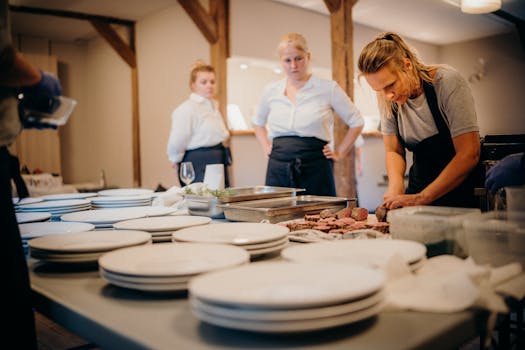
Las rutinas de cocina definen el flujo de trabajo diario del restaurante para cada turno.
Toda cocina se rige por un ciclo de limpieza, preparación y comunicación clara. Comprender estas rutinas le permite actuar con confianza y obtener resultados consistentes.
Una organización consistente mantiene todo en marcha, ya que cada miembro del personal controla qué parte de la preparación de alimentos debe realizar a continuación. Las rutinas desarrollan habilidades rápidamente.
Siguiendo secuencias de apertura para preparar estaciones de manera eficiente
Al llegar, el personal de cocina revisa las fechas de caducidad, almacena los ingredientes y desinfecta los utensilios. "Muéstrame la lista de verificación de la estación", es una frase común antes de abrir las puertas a los comensales.
Preparar ensaladas, salsas y guarniciones reduce el estrés de las prisas repentinas a la hora de la cena. Cada elemento dispuesto es una red de seguridad para el cocinero, el camarero y el cliente más adelante.
Mientras pelan zanahorias en tandas y conversan con sus compañeros, el equipo de cocina revisa los cuchillos para comprobar que estén afilados, no solo por costumbre, sino porque el tiempo ahorrado en la preparación se nota más tarde en el servicio.
Cronometrar y secuenciar pedidos durante los ciclos pico de servicio
El equipo de cocina oye el tintineo de los platos, luego el parloteo de la impresora al llegar nuevos pedidos. «Primero el pollo, luego la pasta», dice el chef, señalando la lista de pedidos.
Cada cocinero elige qué plato va a la parrilla a continuación, ajustándolo constantemente según se acumulan o se ralentizan los pedidos. La comunicación es clara, directa y se centra en el tiempo; nunca hay pánico.
Cuando un camarero dice: «La mesa cuatro pidió sin cebolla», la cocina lo anota y se adapta. Los pequeños detalles mantienen contentos a los clientes, y el personal aprende a gestionar rápidamente los cambios en las peticiones.
| Tarea | Objetivo | ¿Quién lo hace? | Conclusión clave |
|---|---|---|---|
| Preparando verduras | Acelera el servicio | Cocinero de preparación | Ahorre tiempo preparándose con antelación |
| Limpieza de superficies | Previene la contaminación | Todo el personal de cocina | Mantenga las áreas limpias con rutinas cada hora |
| Órdenes de enchapado | Asegura la presentación | Cocinero de línea | Verifique el tamaño de la porción en cada plato |
| Controles de calidad | Evita errores | Jefe de cocina | Inspeccionar antes de que los alimentos salgan de la cocina. |
| Abastecimiento de refrigeradores | Reduce los residuos | Personal subalterno | Rotar el stock y etiquetar los artículos nuevos |
El servicio del comedor realmente influye en las impresiones que los huéspedes tienen de los trabajos en restaurantes.
Un servicio eficiente mantiene la comodidad de los clientes y garantiza la fidelidad de los clientes. Unas buenas rutinas en el comedor facilitan los turnos y aumentan la satisfacción tanto de los clientes como del personal.
El personal que aprende a saludar, acomodar y controlar las mesas con regularidad obtiene mejores propinas y menos quejas. Cada paso fomenta el trabajo en equipo y experiencias gastronómicas memorables.
Creando un ambiente acogedor desde la puerta de entrada
El personal se mantiene erguido y establece contacto visual rápido con los invitados. "Buenas noches, ¿cuántos son en su grupo?" siempre transmite calidez y atención.
Limpiar rápidamente los menús antes de cada turno mantiene el orden. Ajustar las sillas para niños pequeños y comprobar la seguridad de las tronas no son solo pasos adicionales; demuestran un cuidado visible.
- Responda rápidamente cuando vea llegar a los invitados, ya que evita confusiones sobre la preparación de la mesa y hace que los visitantes se sientan valorados desde sus primeros momentos dentro.
- Hable claramente al confirmar reservas o compartir tiempos de espera, para que los huéspedes sepan qué esperar y se sientan seguros de que están en manos organizadas.
- Esté atento a los huéspedes que recorren la habitación, lo que indica que necesitan menús o ayuda. Ofrezca ayuda de forma proactiva en lugar de esperar una llamada o que levanten la mano.
- Comparta los especiales diarios con una sonrisa y un gesto de la cabeza, recomendando las opciones más populares diciendo: "Nuestro kingklip a la parrilla es el favorito de esta noche", lo que ayuda a los invitados a tomar decisiones con confianza.
- Ofrezca guardar bolsos o abrigos durante las noches más frescas, brindando conveniencia y mostrando flexibilidad sin que se le pidan estas pequeñas comodidades.
Pequeños gestos, realizados con antelación, crean el ambiente adecuado y permiten que el resto de la experiencia gastronómica se desarrolle de forma más fluida para todos.
Cómo gestionar mesas ocupadas durante las horas punta de comida
Los camareros desarrollan un ritmo, llevando dos bandejas y tomando notas mentales. «Rellenen el agua en la mesa diez después de la entrega del postre», podrían repetir en voz baja mientras caminan entre las mesas y la cocina.
Vender más a los principiantes con auténtico entusiasmo da como resultado facturas más altas y mejores propinas, por lo que frases como "¿Quieres un pan de ajo recién horneado mientras te decides?" se vuelven rutinarias.
- El cronometra los pedidos preguntando: “¿Estás listo para ordenar o necesitas unos minutos más?”, lo que evita saturar la cocina con demasiados controles a la vez.
- Anote inmediatamente los pedidos inusuales en los cuadernos de pedidos, de modo que no se pasen por alto artículos como panecillos sin gluten, lo que mejora la confianza de los clientes y la seguridad alimentaria en los trabajos de restaurantes.
- Vigila la disposición de las mesas, asegurándote de que las bebidas y los platos lleguen al lugar correcto. En caso de duda, pregunta "¿Quién pidió el filete al punto?" antes de servir.
- Limpie los platos con discreción pero con rapidez para hacer espacio, lo que ayuda a que el siguiente plato parezca oportuno sin sentirse apresurado o ignorado, especialmente en mesas más grandes.
- Procese los pagos en la mesa cuando sea posible, explicando el funcionamiento de la máquina de tarjetas y agradeciendo personalmente a cada huésped, reforzando los recuerdos positivos y fomentando las visitas recurrentes.
Dominar estas acciones en el área del comedor convierte los turnos ocupados en turnos gratificantes y convierte los primeros trabajos en restaurantes en inicios profesionales confiables.
Pequeños hábitos que mejoran los resultados de cualquier persona en el sector de la restauración
Los nuevos hábitos desarrollan competencias rápidamente. Establezca una minimeta SMART (específica, medible, alcanzable, relevante y con plazos definidos) para cada turno, como preparar las bandejas de guarnición antes de que termine el almuerzo, para lograr una mejora fiable.
El personal que hace un seguimiento del progreso, por ejemplo registrando cuántas mesas atienden antes de la 1 p. m. o con qué rapidez se sirven los platos, desarrolla una satisfacción y una eficiencia que los gerentes notan.
Aprendiendo la regla del apretón de manos para cambios suaves
Al pasar un plato o hacer una señal, el personal se golpea los nudillos o asiente para confirmar la acción. "¿Listos?" "Listos". Un apretón de manos rápido genera confianza, sobre todo cuando el ruido de la cocina impide oír.
Repita esto con sartenes, bandejas o toallas limpias. Los errores disminuyen drásticamente a medida que las personas dejan de suponer y empiezan a confirmar. Aplique esta regla del apretón de manos en cada turno para obtener mejores resultados de equipo.
Si no está seguro, haga una pausa y confirme: "¿Sin alergias?". "Sí". Es un apretón de manos de seguridad que puede prevenir errores en la cocina y aumentar la confianza tanto con los compañeros de equipo como con los comensales.
Establecer microobjetivos impulsa rápidamente el impulso profesional
Cada mañana, defina una micrometa, como aprender dos nuevos platos del menú o recordar los nombres de tres nuevos clientes durante la cena. Revísela al final del turno para registrar los logros.
Escriba estos objetivos en la pizarra de la cocina para que todo el equipo pueda apoyarse y responsabilizarse mutuamente. Compartir los objetivos ayuda a crear una cultura positiva y de apoyo paso a paso.
Copie esta regla: “Hoy mejoraré la velocidad de mis pedidos tomando los pedidos de bebidas de las mesas dentro de los dos minutos posteriores a su asiento” y mida el progreso para acelerar su curva de aprendizaje en trabajos de restaurante.
Resiliencia y adaptación en trabajos de restauración durante el cambio y las prisas
Ser constante, flexible y tranquilo marca una gran diferencia cuando llegan nuevos menús o cuando un partido de fútbol llena el comedor. La adaptabilidad atrae rápidamente la atención positiva de los líderes de equipo.
El personal que nota los cambios antes que los demás, como cambios en el menú o reorganizaciones de las estaciones, hace que las transiciones sean más fáciles para ellos mismos y sus compañeros de equipo, suavizando los momentos estresantes con una mentalidad práctica.
Cómo gestionar cambios de última hora con trabajo en equipo proactivo
Cuando una mesa VIP agrega invitados, un rápido grito de la cocina, “Cubiertos adicionales para seis”, y el rápido ajuste de los vasos por parte del camarero prepara a todos para el éxito bajo estrés.
El personal intercambia roles según sea necesario: "Tú te encargas de la estación de ensaladas; yo me encargo de la parrilla". Esta agilidad reduce los cuellos de botella y facilita el flujo de pedidos incluso cuando las prioridades cambian inesperadamente durante las horas punta del restaurante.
Cuando las entregas se retrasan, los gerentes dan ejemplo: "Comienza la preparación con calamares congelados mientras llamo al proveedor". Un lenguaje claro y conciso mantiene al equipo en movimiento y concentrado en lo que se puede hacer ahora.
Utilizar el tiempo de inactividad para prepararse ante picos inesperados
Durante los momentos de calma, llenar las botellas de salsa, reorganizar las mesas y limpiar los estantes innecesarios prepara la cocina y el suelo. Esté atento a las reservas anticipadas y revise cada mesa reservada para la próxima hora.
"¿Revisar la nevera para la ensalada?" o "Reabastecer los azucareros" son tareas que el personal se asigna mientras espera la próxima hora punta. Estos hábitos reducen el estrés y la pérdida de tiempo.
El tiempo libre se convierte en una oportunidad para aprender. Los alumnos pueden practicar doblando servilletas o perfeccionando la preparación de ensaladas, adquiriendo habilidades que necesitarán cuando llegue inesperadamente el siguiente grupo grande.
Interacciones con el cliente: guiones y gestos que importan
Un lenguaje directo y amable, así como gestos corporales, convierten a los clientes primerizos en clientes habituales. Cada momento de atención es fundamental para la reputación de un restaurante en cualquier barrio y entorno gastronómico.
Las respuestas con guiones evitan las pausas incómodas del tipo "eh". Por ejemplo, decir "Voy a consultar con la cocina y vuelvo enseguida" suena más profesional que decir "No sé, lo siento".
Usar el lenguaje corporal y una voz segura para transmitir seguridad.
Acérquese a los comensales con los hombros hacia atrás y la barbilla en alto. Diga: "Su mesa estará lista en dos minutos", manteniendo el contacto visual firme. Estas señales dan una bienvenida visible, especialmente en horas punta.
Sonría al explicar los platos del menú, señalando con la palma de la mano. Al ponerse a la altura de los ojos de los niños o de los clientes mayores, los camareros tranquilizan y conectan con naturalidad. La confianza se desarrolla con la práctica.
Para grupos grandes, párese al final de la mesa mientras habla, proyectando su voz para que todos puedan escuchar, luego haga una pausa para asentir antes de tomar órdenes detalladas para mayor precisión.
Guiones para solucionar errores con respeto
Cuando un plato salga mal, reconócelo rápidamente: "Gracias por avisarnos. Lo arreglaré enseguida". Mantente lo suficientemente cerca como para mostrar sinceridad, pero no tanto como para que parezca invasivo.
Si se comete un error en la factura, doblarla, disculparse y resolverlo discretamente refuerza la confianza. "Déjame corregirlo ahora; gracias por tu paciencia", transmite tranquilidad incluso en momentos tensos.
Haz seguimiento después de la solución. Regresa a la mesa: "¿Está todo resuelto? Si necesitas algo más, avísame". Este último paso cierra el círculo y aumenta la satisfacción.
Las habilidades que se obtienen en los trabajos de restaurantes fomentan el crecimiento futuro y el aprendizaje rápido.
Los trabajos en restaurantes fomentan la confianza y enseñan habilidades prácticas para afrontar situaciones de presión. El personal aprende a tomar decisiones rápidas y a realizar múltiples tareas, sentando las bases para carreras en hostelería, ventas o negocios.
Aprender a contar el cambio, agilizar la limpieza de platos y a tomar notas durante las horas punta desarrolla habilidades que se pueden comercializar. Los empleadores se fijan en el personal que busca maneras de mejorar cada semana.
Traducir las lecciones aprendidas en nuevas direcciones profesionales
Detectar problemas en el flujo de trabajo de la cocina y sugerir una nueva disposición de las bandejas podría generar elogios o la oportunidad de liderar un turno. Pequeñas mejoras diarias conducen gradualmente a roles más importantes.
Usar un lenguaje cortés y seguro con los invitados facilita la creación de redes de contactos o la solicitud de asesoramiento profesional. "¿Puedo observar a un supervisor la próxima semana para aprender más?" facilita el crecimiento futuro.
El seguimiento de logros específicos, como la reducción del desperdicio de alimentos o la aceleración de la entrega de pedidos, hace que los currículums destaquen. Estos detalles ofrecen a los responsables de contratación pruebas de logros prácticos en puestos de restauración.
Habilidades de afrontamiento del estrés y retroalimentación
El personal desarrolla rutinas mentales: «Respirar lentamente tres veces, despejar la mente y luego concentrarse en la siguiente tarea». Estos hábitos reducen el estrés y ayudan a gestionar la retroalimentación crítica con calma y productividad.
Cuando hay días difíciles (por ejemplo, después de una queja), escribir una nota reflexiva rápida como “¿Qué salió bien? ¿Qué hacer de manera diferente?” genera perspectiva y resiliencia para cambios futuros.
Los gerentes reconocen y capacitan al personal que se recupera tras los problemas. Adaptarse rápidamente y compartir abiertamente los aprendizajes da un ejemplo positivo y anima a los demás a seguir mejorando.
Avanzando en el mundo de la restauración: construyendo un camino gratificante
Las rutinas diarias y el trabajo en equipo en restaurantes brindan habilidades prácticas para el éxito futuro. Cada puesto enseña algo diferente, lo que ayuda a encontrar la dirección para el crecimiento profesional continuo.
La constancia y la rutina generan mejora y confianza. Los equipos de restaurantes prosperan porque todos aprenden juntos, creando un sentido de logro turno tras turno, sin trabajar nunca solos.
Cualquiera puede emprender una nueva aventura en la cocina o el comedor. Toma cada nueva habilidad como un paso adelante y construye una base que te permita desarrollar tu carrera profesional en cualquier lugar de Sudáfrica.