Career guidance
Working at Starbucks: store-level roles
Discover what it’s like to work in Starbucks jobs in South Africa. Get real tips on daily barista duties, skills, and team habits for service, growth, and strong shifts.
Advertisement
Learning the ins and outs of coffee shops can be like perfecting a favourite blend: there’s routine and discovery. With Starbucks jobs, people find structure and surprise every shift.
Each day, store-level roles shape how customers experience familiar warmth and speedy service. Opportunities across Starbucks jobs appeal not only to coffee lovers but to those who enjoy customer interaction and teamwork.
Explore this guide to get an inside look at typical duties, practical skills, and tangible steps to thrive in Starbucks jobs, whether you’re starting out or planning your next move.
Barista role essentials: daily outcomes, routines, and standout habits
Every barista at Starbucks creates memorable customer interactions and ensures high-quality drinks leave the counter. Successful baristas follow specific routines, speak with clarity, and anticipate orders during every shift.
Efficient baristas in Starbucks jobs maintain speedy service and product standards by mastering consistent pour counts, cleaning tasks, and positive greetings. Their daily actions set the store’s pace for each rush.
Developing a barista rhythm for busy mornings
Experienced baristas start shifts by wiping down counters, checking their apron pocket for a marker, and prepping syrups. They glance up frequently to greet customers with quick eye contact.
As drinks flow, baristas in Starbucks jobs remember to call out names with emphasis—pronouncing them with a nod to let guests know their coffee is ready. Small habits build connection.
Baristas glance at their queue, watching how teammates move, so they can slot in beans or milk without interrupting others. They mention, ‘Flat white for Siphiwe—thanks for waiting, enjoy your morning!’
Memorising recipes and balancing speed
Consistent speed comes from memorising up to 40 drink recipes, with visual reminders above the espresso station. Each Starbucks job in the barista rank asks for this attention to detail.
Baristas make fast choices, such as pairing chocolate and caramel, or adding extra foam, with the phrase ‘Would you like something sweet today?’ This language nudges indecisive customers forward swiftly.
By staying calm under pressure and using batch routines for prep, baristas make room for creative extras, like drawing hearts on cappuccino foam by steadying their hand near the pitcher’s edge.
| Barista Task | Requirement | Visual Cue | Action Tip |
|---|---|---|---|
| Taking Orders | Active listening | Eyes at customer’s face | Nod and repeat back the order |
| Espresso Shots | Exact double pours | Check crema colour | Count silently: ‘one, two’ out loud helps |
| Milk Steaming | Controlled foam texture | Swirl milk in pitcher | Hold jug at angle and listen for hissing sound |
| Cleaning Surfaces | Wipe down after every customer wave | Glances at counter after each hand-off | Clean with two swipes, dry cloth after busy rush |
| Restocking | Before and after rushes | Shelves neat, items in rows | Pre-fill jug and syrups at shift start |
Standing out as a shift supervisor: clear goals, quick pivots, and team cues
Shift supervisors in Starbucks jobs set the day’s priorities, address real-time needs, and communicate clear instructions for team focus. Their outcomes shape store rhythm and morale each hour.
Supervisors lead initial meetings by outlining the day’s needs, then walk the floor, check cleaning lists, and notice when a barista starts to slow during peak hours. They step in deliberately to help.
Making real-time adjustments for peak times
Supervisors adjust break times and machine rotation on the fly, saying things like, ‘Sipho, you refill cold drinks while Jenna covers till for the next 20 minutes.’
When energy dips, they reinforce the team’s momentum with, ‘Great work, but let’s keep talking between tasks so everyone’s focused.’ This ongoing feedback is direct and keeps the rhythm intact.
- Lead with energy: Greet each teammate by name at shift start to signal team unity and keep energy high throughout the first rush period.
- Assign tasks clearly: Delegate cleaning and restocking so everyone understands their immediate next step, using specific timeframes to avoid confusion.
- Adjust schedules fast: Reallocate baristas between front counter and drive-thru when lines grow, explaining the adjustment and the payoff for the team.
- Model accountability: Describe mistakes openly and move on, like, ‘We missed a syrup pump, next time double-check with each drink handoff.’
- Keep the mood light: Share a quick story or joke before opening, especially during slow starts, to boost optimism before the caffeine rush begins.
Shift supervisors wearing the Starbucks jobs badge balance team accountability and hands-on help. They use checklists as visual reminders and pace changes to avoid errors during busy periods.
Feedback loops: direct language for growth
Supervisors use concrete language. Instead of vague praise, they’ll say, ‘Your espresso shots had perfect crema—keep checking that colour.’
Corrective notes come with examples, such as, ‘The milk was too foamy, try tilting your jug a bit more while steaming for the right result.’
- Give feedback fast: Correct drink mistakes on the spot, without delay, to prevent repeat errors and help baristas learn in real time.
- Describe what you see: Use observable facts, not assumptions about effort, when discussing areas of growth during end-of-day chats.
- Encourage with examples: When someone improves their speed, say, ‘You finished cappuccinos in five minutes less today—good step forward.’
- Set goals visibly: Write time targets for drink tickets on the prep wall so everyone sees daily aims and progress over time.
- Close with gratitude: Thank team members with their names before closing, connecting each by one specific contribution noticed that day.
The supervisor’s job in Starbucks jobs relies on actionable, open feedback and quick pivots—making both the work and customer experience run smoother each shift.
Queue management and multitasking: managing coffee lines and customer flow efficiently
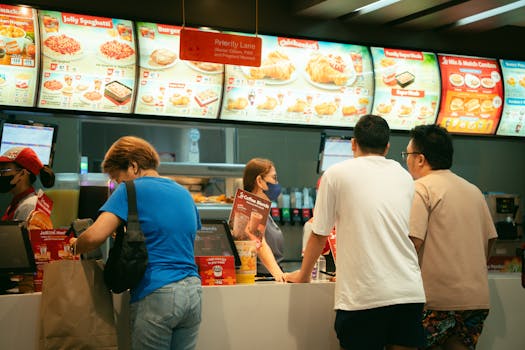
Effective queue management in Starbucks jobs creates shorter waits and happier guests. The barista or cashier watches the line’s shape and signals teammates before bottlenecks form.
To control busy moments, staff lead guests patiently, keep counters clear, and swap roles quickly by saying, ‘Would you mind taking over orders while I reload beans?’
Switching roles to keep lines moving
In crowded stores, workers swap between register, food station, and cold beverage prep. A quick, ‘Take this till, I’ll restock pastries!’ signals the change and keeps flow steady.
Baristas in Starbucks jobs build this habit: glancing at workload and offering, ‘Need help with frappes while you finish hot drinks?’ It keeps everyone nimble and lines smooth.
Short, direct phrases like, ‘I’ll run for milk, place orders here,’ make it clear who’s responsible for each spot—key in slowing surges or technical breakdowns.
Stacking small tasks for big impact
Staff cluster side tasks, such as refilling lids or wiping menus while lines shrink. By pairing chores, Starbucks jobs staff reduce idle time and prevent piles of work.
When queues thin, workers double-check receipt printers and prep change at tills. This attention sets up for the next rush without added stress or delays.
On busy afternoons, staff take sips of water or read quick notes left by teammates. It’s a brief, tangible pause that ensures readiness when the next bus approaches.
Delivering memorable service: approaches that elevate daily interactions
Delivering top service in Starbucks jobs hinges on concrete steps—smiling first, making direct eye contact, and using customer names when possible, even with crowds present.
Memorable service means guessing a regular’s usual before they reach the counter or suggesting a new treat to someone unsure, leaning in slightly to engage.
Greeting and farewelling customers with intention
Each Starbucks job includes a visible welcome—cheery, but natural. A staff member might say, ‘Morning! What can I get started for you?’ while gesturing to an open counter.
At departures, saying, ‘Hope you enjoy the cinnamon roll—let us know how it is next time, Mpho!’ builds relationships and encourages return visits with minimal extra effort.
By pairing words with gestures—a small wave, a hand on heart—staff create warmth that makes the customer remember the experience beyond the product itself.
Resolving small mistakes with quick fixes
When a drink is not quite right, baristas in Starbucks jobs offer a quick apology, a smile, and a direct fix: ‘I’ll remake that chai, thanks for your patience.’
Staff lean in and listen, nodding while the customer explains the issue, rather than jumping ahead to solutions before hearing all the details.
After fixing the issue, staff thank the guest by name, making the moment personal and ensuring the final takeaway is a positive one, regardless of the previous hiccup.
Opening and closing routines: actionable checklists for every shift
Opening and closing routines in Starbucks jobs rely on well-defined steps, visual checks, and open communication. These bookend the day’s success and shape working culture for everyone present.
For opening, staff must turn on machines, check temperature logs, and prep pastries in set sequence. Each action is ticked off for visible accountability and team synchrony.
Opening: clean starts and early coordination
Arriving early, workers unlock safes, prep till floats, and lay out promo materials. A supervisor checks machine temperatures, greets everyone with ‘Good morning!’ and sets a confident tone for the day.
Baristas check syrups, beans, and napkins before posting the first orders, calling out, ‘All ready? Let’s go!’ to sync the team. This shared rhythm shapes every Starbucks job from the start.
Clean counters, stocked cups, and a test drink or two guarantee early guests experience a store that feels ready with both speed and hospitality, building first impressions fast.
Closing: checks and end-of-day connections
Closing includes cashing up, removing all perishables, cleaning above and below eye-level, and checking the lost-and-found box. Each barista is given a closing role by the supervisor for efficiency.
Staff finish with a walk-through, turning off machines, confirming bins are empty, and locking doors together. The closing phrase, ‘Thanks, see you tomorrow,’ reassures everyone of their value and teamwork.
Leaving together ends the shift with clarity, so no one wonders if they’ve missed a step. This final check is key in every Starbucks job for safety and success.
Cultivating career growth: from entry roles to new opportunities
People who start in Starbucks jobs often find paths to supervisor or even store manager over months or years, thanks to hands-on mentorship and structured learning plans.
Career-minded staff join training for new drink lines, shadow supervisors, and take on extra responsibilities, such as managing a weekend rush or helping onboard new recruits.
Taking steps towards promotions with visible actions
Staff eager for advancement volunteer to cover busy shifts, take on extra cleaning checks, or run the drive-thru when someone else calls in sick.
They ask for feedback directly by saying, ‘What’s one thing I could do better this week?’ Rather than waiting for annual reviews, they seek mini-assessments in real time.
This openness helps managers identify who is ready for the next Starbucks job on the ladder, setting clear examples through daily work habits and positive language.
Practical learning: leveraging each shift for progress
Using pocket notepads, future supervisors track new tips from each shift and try one new leadership phrase per week, such as, ‘Let’s regroup in five for the cleaning check.’
By asking to shadow a supervisor’s pre-shift huddle or post-rush inventory checks, they gain firsthand insights into task coordination.
Some seek extra training on budgeting or HR basics; this shows concrete interest in broader store operations, making them stand out for relevant Starbucks jobs next.
Looking ahead: founding habits and next steps in store-level roles
Store-level roles in Starbucks jobs offer routine steps and real-world skill-building for anyone seeking a steady, people-focused work environment. Every shift comes with lessons and fresh experience.
Building habits like clear communication, direct feedback, and role switching prepares staff for long-term satisfaction and future roles, either at Starbucks or elsewhere in hospitality.
For those considering Starbucks jobs in South Africa, consistent effort and attention to detail in day-to-day actions will open doors for promotion, learning, and meaningful connections one cup at a time.